Household Foods Pets Must Never Ingest
A comprehensive toxicological breakdown of human kitchen foods hazardous to cats and dogs, their biological mechanisms, and crucial emergency responses.
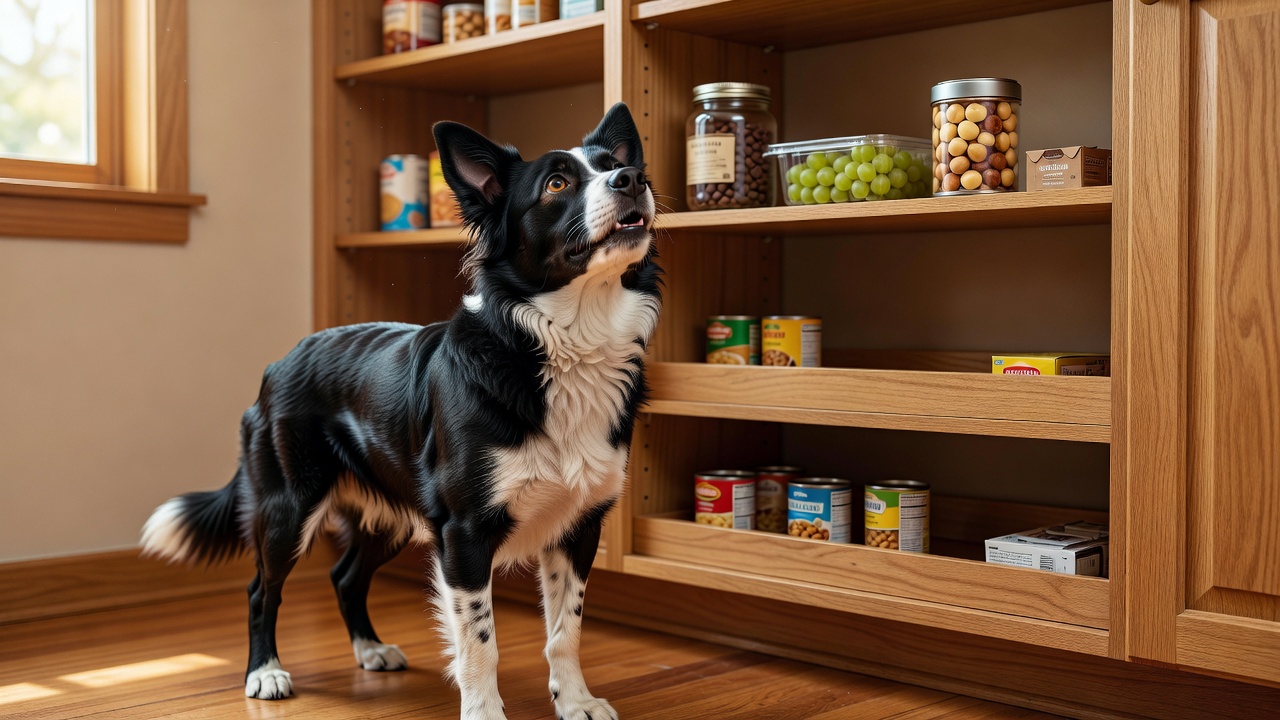
If you believe your pet has ingested any of the lethal substances below, do NOT wait for symptoms to manifest. Immediately contact the ASPCA Animal Poison Control Center at (888) 426-4435 or your nearest 24-hour emergency veterinary hospital.
Top 7 Lethal Food Hazards Explained
1. Xylitol (Wood Sugar / Birch Sugar)
Severity: Extreme (Can be lethal within 30-60 minutes).
Found in sugar-free gum, diet peanut butters, baked goods, throat lozenges, and vitamin gummies. In dogs, xylitol causes an immense, rapid surge of insulin from the pancreas, resulting in profound, life-threatening hypoglycemia (blood sugar crash). Secondary acute hepatic necrosis (liver failure) commonly follows within 12 to 24 hours. A tiny fraction of a gram per kilogram of body weight can induce seizures and coma.
2. Chocolate & Cocoa Products (Theobromine & Caffeine)
Severity: High to Critical depending on cocoa concentration.
Cocoa beans contain methylxanthines—specifically theobromine. Unlike humans, dogs metabolize theobromine at an extremely slow rate (plasma half-life of 17.5 hours). Dark chocolate and unsweetened baker's cocoa are substantially more dangerous than milk chocolate. Ingestion triggers severe tachycardia, cardiac arrhythmias, muscle tremors, seizures, and internal bleeding.
3. Allium Vegetables: Onions, Garlic, Leeks, & Chives
Severity: High (Cumulative toxin).
All members of the allium family contain toxic organosulfoxides. Chewing converts these compounds into disulfides, which oxidize hemoglobin in canine and feline red blood cells. This forms Heinz bodies, leading to acute hemolytic anemia (rupture of oxygen-carrying blood cells). Cats are three times more sensitive than dogs. Powdered onion or garlic in broths is even more concentrated and hazardous.
4. Grapes, Raisins, & Currants (Tartaric Acid)
Severity: Extreme (Idiosyncratic acute kidney injury).
Veterinary toxicologists have identified tartaric acid as the culprit behind idiosyncratic grape toxicity. Even a small handful of raisins can induce acute oliguric renal failure in susceptible dogs, regardless of breed or weight. Early symptoms include vomiting within 6 hours, followed by lethargy, dehydration, and complete cessation of urination.
5. Macadamia Nuts
Severity: Moderate to Severe.
Macadamia nuts contain an unknown water-soluble toxic mechanism that disrupts canine neuromuscular transmission. Within 12 hours of eating macadamia nuts, dogs develop profound hind-limb paresis (inability to walk), tremors, hyperthermia (high fever), and severe abdominal pain.
6. Alcohol & Raw Bread Dough (Ethanol Toxicity)
Severity: High.
Raw yeast dough expands within the warm, moist environment of a pet's stomach, creating physical gastric dilation volvulus (bloat). Simultaneously, the fermenting yeast produces ethanol, which is rapidly absorbed into the bloodstream, triggering severe metabolic acidosis, respiratory depression, and cardiac arrest.
7. Cooked Bones of Any Animal
Severity: High (Mechanical perforation).
Cooking alters the cellular collagen matrix of bones, turning them brittle. When chewed, cooked chicken, pork, or steak bones splinter into razor-sharp shards that puncture the esophagus, stomach wall, or intestinal lining, leading to life-threatening septic peritonitis.
Emergency Symptom Checklist
| Toxin Ingested | Onset Timeframe | Clinical Symptoms | Clinical Antidote / Action |
|---|---|---|---|
| Xylitol | 15 - 45 Minutes | Vomiting, ataxia, tremors, coma | IV Dextrose infusion, hepatoprotectants |
| Dark Chocolate | 2 - 4 Hours | Restlessness, racing heart, vomiting | Apomorphine emesis, activated charcoal |
| Grapes/Raisins | 6 - 12 Hours | Lethargy, abdominal tenderness, no urine | Aggressive IV fluid diuresis (48 hrs) |
| Garlic / Onions | 1 - 4 Days | Pale gums, reddish urine, collapse | Blood transfusion, supportive oxygen |
Official External Poison Control Hotlines
Save these verified international resources in your phone contacts:
- ASPCA Animal Poison Control Center: Official ASPCA APCC Resource Page (24/7 Hotline: 888-426-4435)
- Pet Poison Helpline: Official Pet Poison Helpline Directory